


TL;DR: 10DLC is the carrier registration system that authenticates business SMS in the US. As of February 2025, unregistered numbers are outright blocked — messages don’t arrive. If you’re running lead follow-up or appointment booking over text without registering, you’re spending money on leads who never hear from you.
If you’re sending business text messages in the United States and haven’t heard of 10DLC, there’s a good chance your messages aren’t reaching your customers at all.
Since February 1, 2025, all messages sent from unregistered 10DLC numbers have been blocked by carriers. This isn’t a soft filter or a deliverability penalty. The messages don’t arrive. If you’re running lead follow-up or appointment booking campaigns on an unregistered number, you’re spending money on leads that never hear from you.
Here’s what 10DLC is, why it exists, and what you need to do about it.
What 10DLC Actually Means
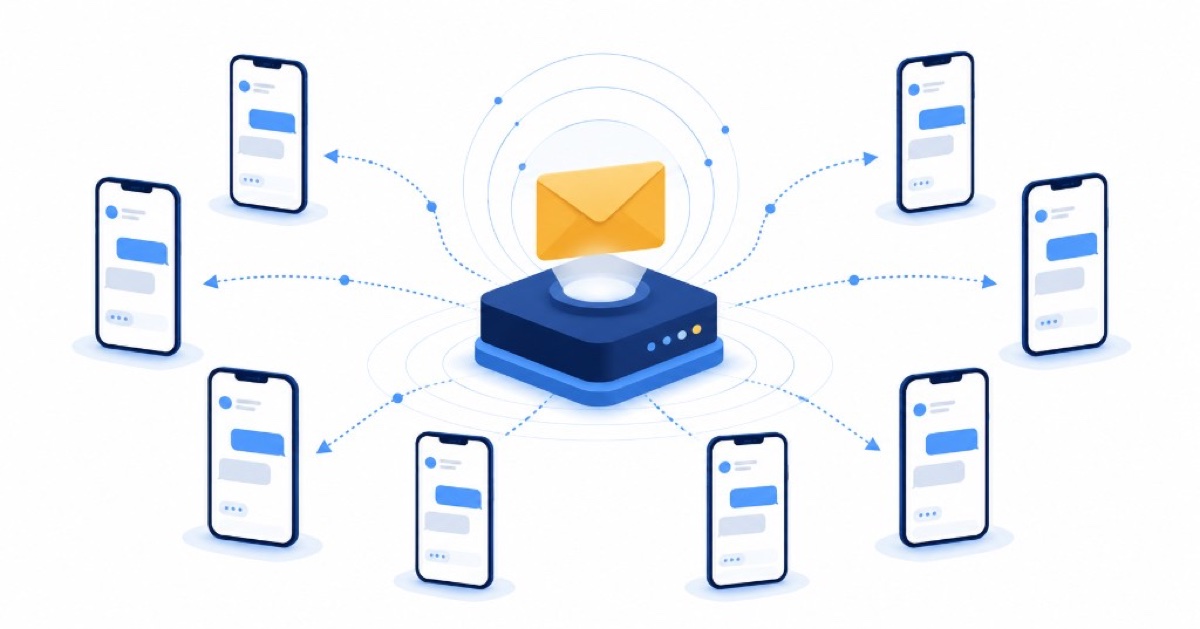
10DLC — Application-to-Person 10-Digit Long Code — is a messaging channel that allows businesses to send automated messages to US customers using regular 10-digit phone numbers.
It was introduced by major US mobile carriers to make SMS messaging authenticated and more reliable. Before this system existed, businesses were abusing standard phone numbers to blast spam at scale. Carriers responded by filtering aggressively — which caught legitimate business messages in the crossfire. The Campaign Registry (TCR) was created to vet A2P 10DLC applications, so carriers could distinguish legitimate business messaging from spam and deliver it reliably.
The result is a two-sided system: businesses that register get reliable delivery. Businesses that don’t get blocked.
Who Needs to Register
Businesses of all sizes — including non-profits — who send one-on-one messages, mass texts, or bulk SMS in the US are required to register. Even if your business only texts for customer service or internal updates, it’s still considered A2P messaging. Carriers treat all business-to-person texts the same, whether they’re marketing or not.
There is no volume floor. A business sending five appointment reminders a day is subject to the same registration requirement as one sending 50,000 promotional blasts a week.
What Registration Involves
The A2P 10DLC registration process has two parts:
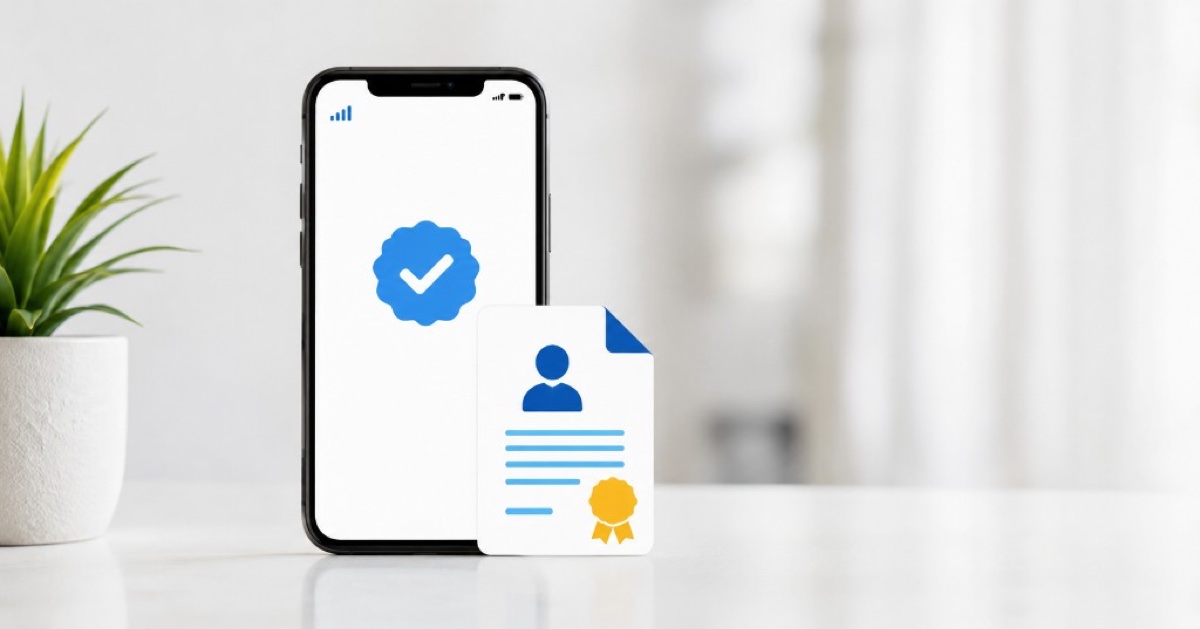
Brand registration requires businesses to identify themselves to the carrier networks — who you are, your business type, and your EIN or tax ID. This tells carriers you’re a legitimate business.
Campaign registration requires businesses to provide examples of the messages they plan to send and show proof that consumers opted in to receive them. This tells carriers what you’re sending and why.
Cost and timing:
- Brand registration: $4 for sole proprietors, $48+ for standard brands
- Campaign registration: $15–$17 per campaign, plus monthly fees of $1.50–$10 per campaign, plus per-message carrier surcharges of $0.003–$0.005 per SMS
- Brand registration: 1–3 business days
- Campaign registration: 3–7 business days standard, up to 10–15 days during high-volume periods
The TCPA Layer on Top
10DLC handles carrier compliance. The Telephone Consumer Protection Act (TCPA) handles the legal compliance layer, and the two work together.
TCPA violations carry statutory damages of $500 to $1,500 per message depending on whether the violation was negligent or willful — with no cap on total liability. A single campaign sent to 1,000 people without proper consent could result in fines of $500,000 to $1.5 million.
A significant update took effect in January 2026: consent cannot be shared across brands or sold to third parties. Each sender must obtain its own consent from each consumer. This closed the lead-generator loophole that many businesses relied on — if you bought a lead list and assumed consent transferred with it, that assumption is now explicitly illegal.
If you want the full picture on what’s legal and what isn’t when it comes to commercial SMS, this post covers the TCPA compliance side in detail.
What This Means Practically
The businesses most exposed to this are the ones running high-volume lead follow-up campaigns — home service contractors, solar installers, real estate companies — who adopted SMS blasting tools before registering or who assumed their lead vendor had handled consent.
The practical checklist:
- Register your brand with The Campaign Registry through your SMS platform
- Register your campaigns with message examples and consent documentation
- Audit your lead sources — how was consent documented for each list you’re texting?
- Do not assume consent transfers with a purchased lead list
How Myna Handles This
Myna handles A2P 10DLC registration as part of the platform setup. You don’t navigate carrier compliance on your own — the registration, documentation, and ongoing compliance infrastructure is built in.
This matters practically because registration is a prerequisite for delivery. An AI agent handling lead follow-up at scale is only valuable if the messages actually arrive. Myna’s infrastructure is built to ensure they do.