


TL;DR: The follow-up gap — leads that go cold because nobody responded fast enough — is the single most common source of invisible revenue loss for small businesses. AI texting closes that gap without a hire. Every lead gets a response within seconds, day or night.
The gap between a small business and a large one used to be headcount. Big companies had more people answering phones, following up on leads, and keeping customers engaged. Small businesses couldn’t match that capacity, so they lost deals they should have won.
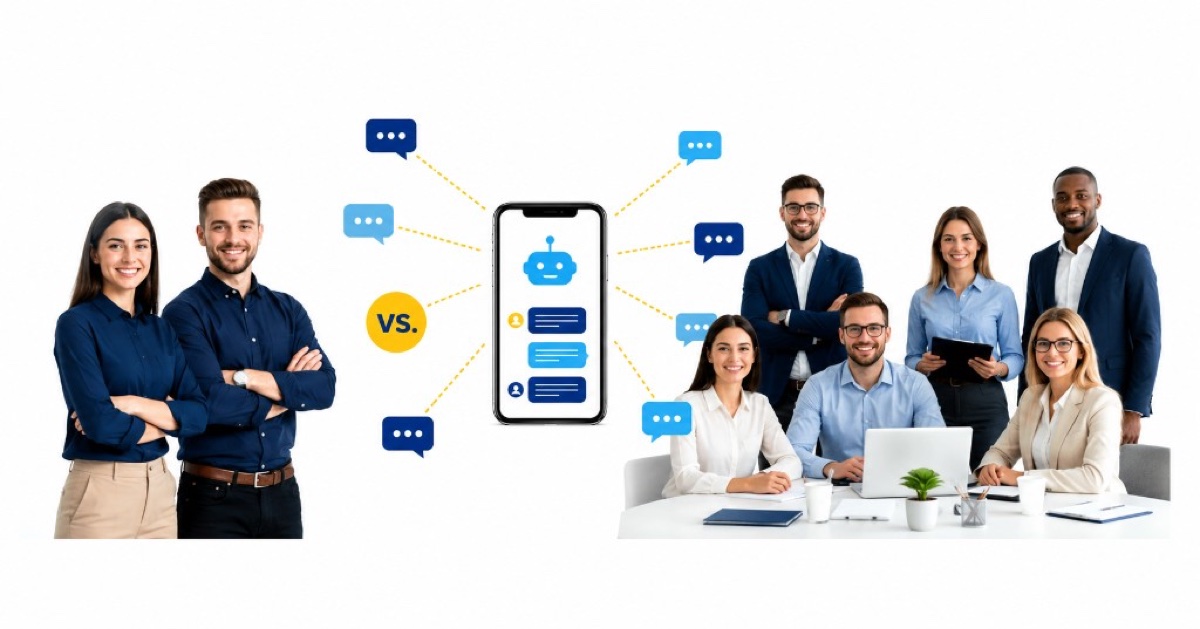
That gap is closing. AI texting gives a two-person operation the same response capacity as a team of ten — without hiring anyone.
The Small Business Follow-Up Problem
Most small businesses lose leads the same way. A potential customer reaches out — through a website form, a Google ad, a referral — and nobody gets back to them fast enough. Not because the business doesn’t care. Because the owner is doing three other things at the same time and there’s nobody whose only job is to respond to new inquiries.
By the time someone follows up, the lead has moved on. This happens every day in every small business that runs on referrals and inbound leads. It’s the single most common source of invisible revenue loss — jobs you never knew you lost because you never knew you had them.
Why SMS Specifically
Email response rates for small business outreach hover around 20 to 30 percent on a good day. Phone calls go to voicemail more often than not. SMS open rates consistently sit above 90 percent, with most messages read within three minutes of receipt.
For a small business trying to reach a lead before a competitor does, SMS is the highest-leverage channel available. The problem has never been the channel. It’s been having someone available to manage it at scale.
That’s exactly what AI texting solves.
What AI Texting Looks Like for a Small Business
You don’t need a developer, a CRM integration, or a dedicated operations person to run AI texting. Platforms like Myna are built specifically so a business owner can set it up, configure it to match their voice, and have it running against real leads the same day.
The agent handles inbound and outbound SMS conversations — responding to new leads within seconds, following up with contacts who haven’t replied, qualifying prospects, answering common questions, and booking appointments or next steps automatically.
While you’re on a job, in a meeting, or off for the weekend, the agent is having real conversations with your leads. Every lead gets a response. Nobody falls through the cracks.
What Small Businesses Are Using It For
The use cases are consistent across industries:
- Lead follow-up — the most immediate application, capturing inbound inquiries and responding before a competitor does
- Database reactivation — texting old leads who went cold and reviving conversations that should have converted the first time
- Appointment reminders and confirmations — reducing no-shows without requiring manual outreach before every booking
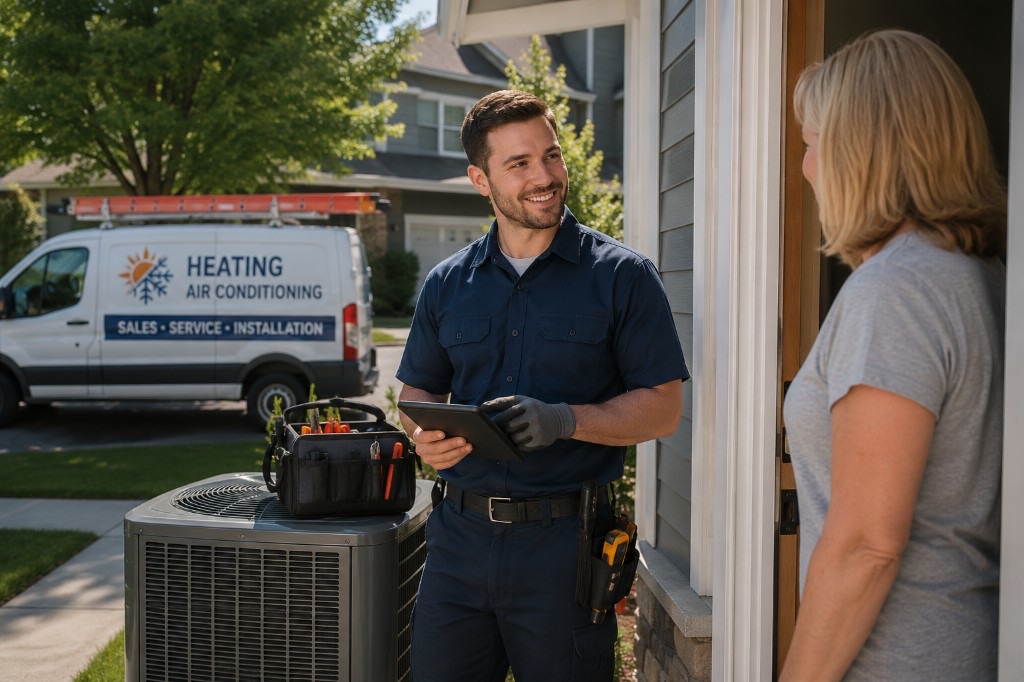
For home service businesses — HVAC, plumbing, roofing, solar, cleaning, landscaping — the ROI shows up fastest because the ticket sizes are high and the lead windows are short. One recovered job per month typically covers the cost of the platform several times over.
The Difference Between AI Texting and a Chatbot
Most small businesses that have tried “automation” before tried a chatbot. A script with a few branching options that breaks the moment a customer says something unexpected. Those tools created more frustration than they solved.
AI texting is categorically different. Instead of following a script, the agent uses a reasoning layer that reads the full conversation, evaluates context, and decides what to say next — the same way a trained employee would. It handles unexpected questions, objections, and off-script replies without falling apart.
The distinction matters because the conversation experience is what determines whether a lead converts. A scripted bot that frustrates a lead costs you the job. An agent that handles the conversation naturally wins it.
If you’re comparing platforms and want to know what to look for, this guide covers the best conversational AI tools for small businesses in 2026 with a straight evaluation of what each one actually does.
Compliance Is Handled
One concern small business owners have about SMS outreach is getting flagged as spam or running into legal issues. This is a real concern — commercial SMS in the US operates under A2P 10DLC regulations that require brand and campaign registration before sending at scale.
Myna handles A2P registration as part of the platform. Small businesses don’t need to navigate carrier compliance on their own. The messages get delivered because the infrastructure is built to make sure they do.
The Cost Reality
Hiring even a part-time person to handle lead follow-up costs $1,500 to $2,500 per month when you factor in wages, scheduling, and management overhead. That person works limited hours, handles one conversation at a time, and has inconsistent days. For a full breakdown of how those numbers compare, this post walks through the math on appointment setting costs across all three options.
Myna starts free. Paid plans scale with usage. For most small businesses, the platform costs a fraction of what a part-time hire would — and it works nights, weekends, and holidays without variance.