


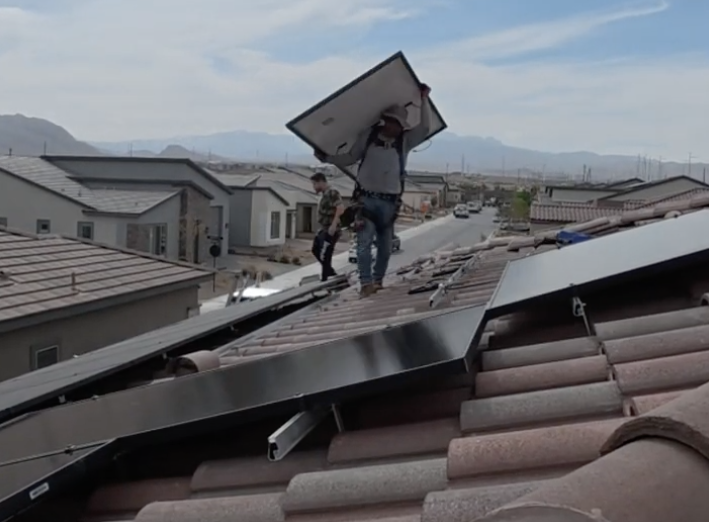
Solar leads are expensive. In Nevada, they’re even harder to come by.
When the state passed SB293 — legislation that dramatically restricted how solar companies could use third-party 1099 dealers and independent sales reps — Caballero’s Electric faced a choice. Keep navigating a legal minefield with outside reps, or go fully in-house and figure it out.
They chose in-house. And 2024 was a grind.
Building an internal sales and marketing operation from scratch while maintaining revenue is not a small lift. Jorge Caballero, the owner, and COO Carolyn Caballero spent that year restructuring how the company sourced, worked, and converted leads without the dealer network they’d relied on before.
What they didn’t realize at the time was that sitting inside their GoHighLevel CRM was a database of thousands of leads — people who had expressed interest in solar at some point, never converted, and been largely forgotten.
That database became the foundation of one of their best campaigns.
The Problem With Buying More Leads
Solar leads in the US typically run anywhere from $50 to $300 each. At that cost, a company needs to convert efficiently just to break even on acquisition. The pressure to buy more leads is constant — but so is the waste.
Most solar companies contact a lead once or twice, fail to get a response, and move on. The lead goes cold. The money spent acquiring it is effectively lost. It’s the same pattern we see across home services — contractors losing leads because they can’t follow up fast enough.
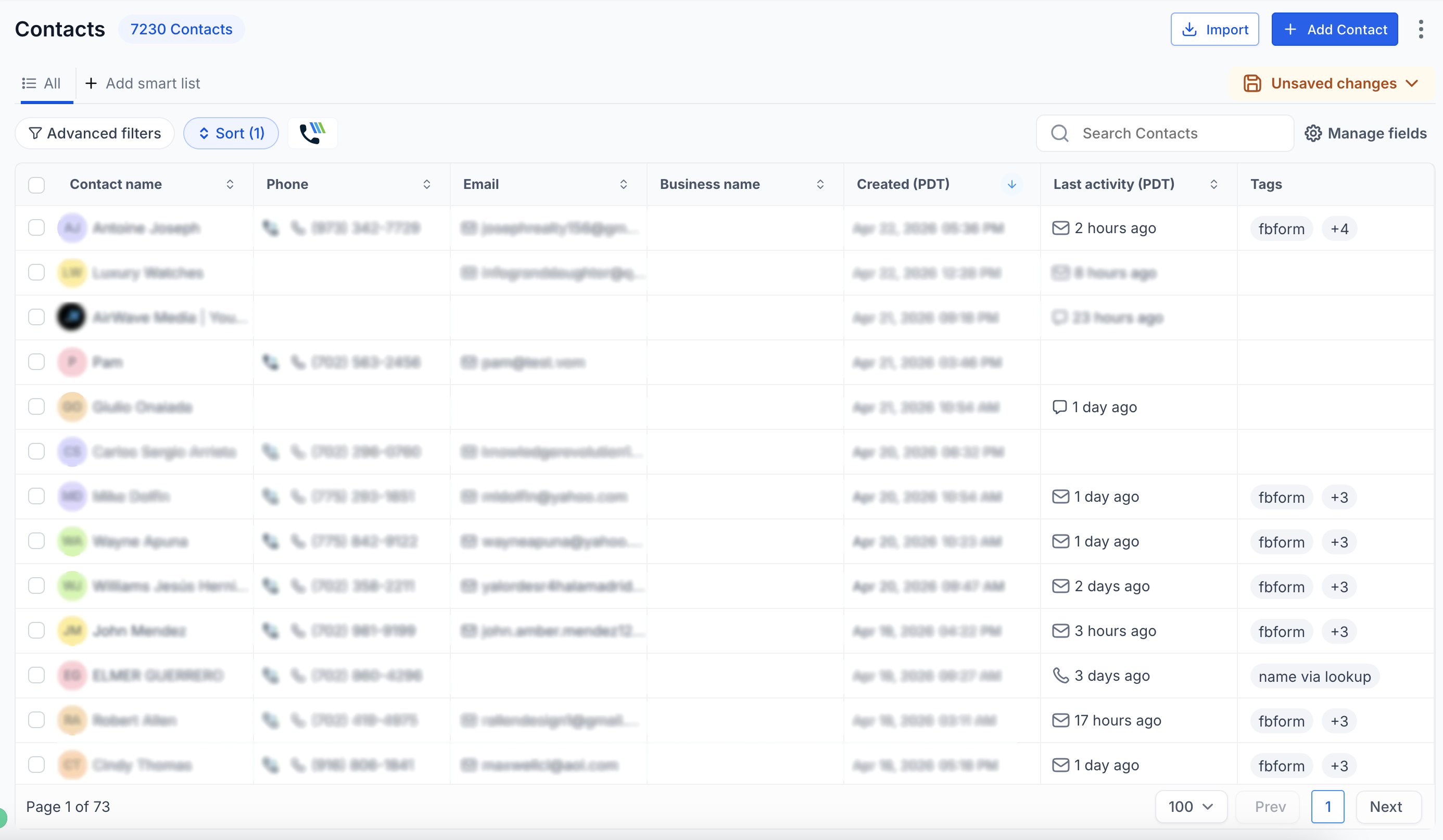
What Caballero’s Electric had was 2,819 of those leads sitting dormant. Old inquiries. People who raised their hand, got lost in the process, and never heard back in any meaningful way.
The question was whether those leads still had any value — and how to find out without burning their team’s time on manual outreach.
Bringing in Myna
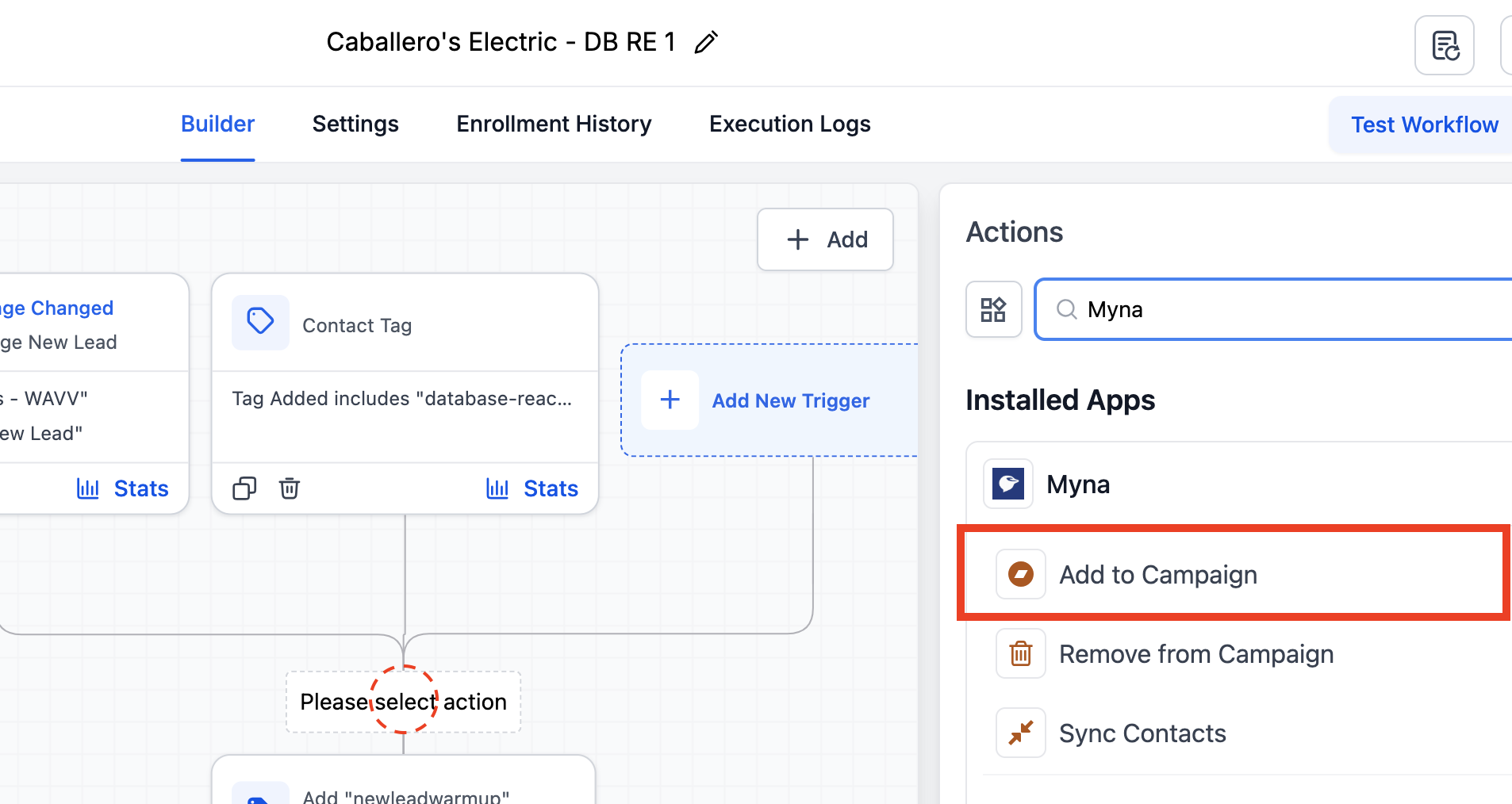
Caballero’s Electric was already using GoHighLevel as their CRM. Myna integrated directly into that stack, pulling the dormant lead list and running a structured SMS reactivation campaign — automated, conversational, and running 24/7.
The campaign wasn’t just “hey, are you still interested?” It led with a real value proposition: $3,500 off a battery system, plus 6 months no payments on financing.
That combination mattered. The AI handled the outreach and follow-up, but it was delivering an offer worth responding to. Myna kept the conversation going — following up with contacts who didn’t reply initially, answering questions, and moving qualified leads toward a booked appointment with the sales team.
If you’re unfamiliar with how AI texting works under the hood, here’s a breakdown of the mechanics. And if you’re wondering about the legal side of SMS outreach — especially in a regulated state like Nevada — this guide on SMS compliance covers what you need to know before running a campaign.
The Results (45 Days In)
Here’s where the numbers get interesting.
Out of 2,819 leads contacted:
- 648 responded — a 23% response rate
- 186 appointments booked — a 6.6% lead-to-appointment conversion rate
- The campaign is still running. Myna continues to nurture non-responders, so these numbers will grow.
To put 6.6% in context: industry benchmarks for reactivation campaigns typically land between 1-3%. CloseBot, an AI appointment setting platform, published their own reactivation case study showing a 3% lead-to-appointment rate — and noted that as a strong result. Caballero’s Electric came in at more than double that benchmark.
| Metric | Result |
|---|---|
| Leads contacted | 2,819 |
| Responses | 648 (23%) |
| Appointments booked | 186 (6.6%) |
| Estimated pipeline value | $4.4M |
| New leads purchased | 0 |
| Campaign duration | 45 days (ongoing) |
What $4.4 Million in Pipeline Looks Like
With an average solar deal in the US around $24,000, 186 appointments represents approximately $4.4 million in potential pipeline revenue.
From a database they had written off.
Zero spent on new lead acquisition. No new ad budget. No additional headcount. Just a dormant list, a compelling offer, and an AI agent working it around the clock.
This is the same playbook that Upwind LLC used to book 35 extra HVAC jobs in a single month — dormant database, structured AI outreach, real results. The pattern works across industries.
The Real Lesson Here
It would be easy to say “AI booked more appointments” and leave it at that. But that undersells what actually happened — and it would be dishonest.
The AI was the delivery mechanism. What made this campaign work was the combination of three things:
1. A real offer. $3,500 off a battery and 6 months no payments is something worth responding to. The AI couldn’t manufacture intent — but it could make sure the offer reached people at the right moment, in a channel they’d actually respond to.
2. Persistence without pressure. SMS follow-up at scale, handled conversationally, without the lead feeling hounded. Myna’s approach is designed to feel like a real person reaching out — not a blast campaign. That conversational quality is what separates AI texting from generic automation.
3. A database that already had value. These weren’t cold contacts. They were warm leads who had shown interest before. The activation energy required to get a response was lower than a cold list — it just required the right prompt.
For Caballero’s Electric, the transition to fully in-house sales post-SB293 is no longer a liability. It’s a competitive advantage. They own their pipeline, they control their outreach, and they’re sitting on a lead asset that keeps generating appointments as long as Myna keeps working it.
Of course, AI texting isn’t magic — there are real limitations to understand — but when the use case fits, the results speak for themselves.
What This Means for Other Solar Companies in Nevada
If you’re operating in Nevada under SB293 constraints, the math is worth running on your own database.
How many leads are sitting in your CRM right now? How many were contacted once or twice and marked as lost? At $24,000 average ticket, even a 3% reactivation rate on a 1,000-lead database is 30 appointments — $720,000 in potential pipeline.
Caballero’s Electric got more than double that rate.
And it’s not just solar. Home service contractors across trades are sitting on the same untapped asset. The leads are already paid for. The question is whether you’re leaving that value on the table.
In solar specifically, speed to lead is everything. The companies that respond first win the deal. An AI agent doesn’t sleep, doesn’t take lunch, and follows up the second a lead re-engages — that’s the kind of advantage that compounds.
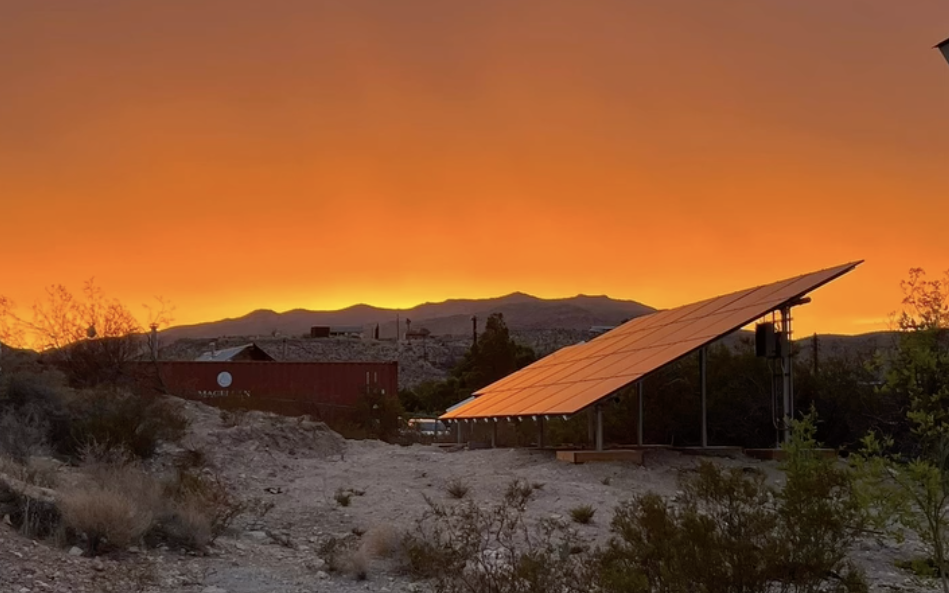
Caballero’s Electric is a family-run solar company based in Las Vegas, Nevada, founded by Jorge Caballero and led day-to-day by COO Carolyn Caballero. They use GoHighLevel as their CRM and Myna for all SMS-based lead engagement and reactivation.
Want to see what a reactivation campaign could look like for your lead database? Start free at myna.cx