


TL;DR: AI texting is automated two-way SMS — an AI agent that reads incoming messages, understands context, and replies like a trained rep. Not a blast. Not a bot. A real conversation that scales.
You’ve probably seen the term in an ad or heard it thrown around alongside “automation” and “AI agents.” It sounds straightforward. It’s actually worth understanding precisely, because there’s a big difference between AI texting done right and what most businesses currently do.
The One-Sentence Definition
AI texting is the use of artificial intelligence to send, receive, and manage SMS conversations automatically — without a human typing each reply.
That’s it. But the word that matters is conversations.
How It’s Different From Regular Business Texting
Regular business texting requires someone to monitor replies and respond manually. At low volume that’s manageable. Once you’re running ads or working through a large contact list, it breaks down fast — leads go cold while they wait on a response.
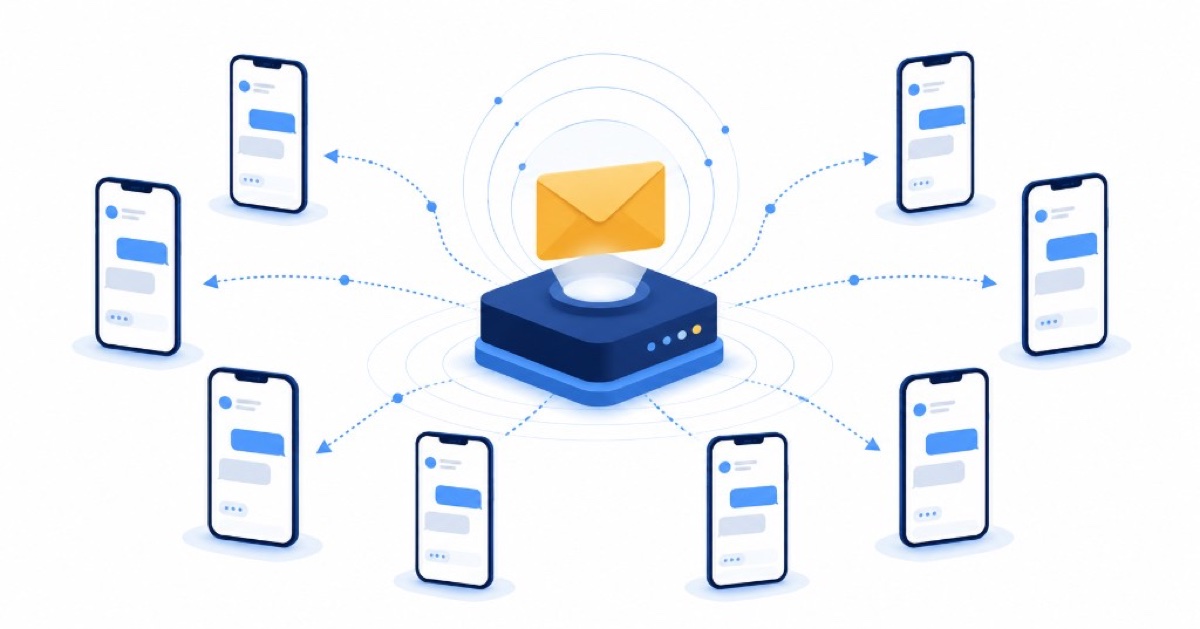
AI texting handles that volume automatically. Every lead gets a reply in seconds, regardless of how many conversations are happening at once. It doesn’t matter if it’s 2 PM on a Tuesday or 11 PM on a Sunday. The response time stays the same.
How It’s Different From a Mass Text Blast
A blast is one-way. You send a message to a list, some people read it, the interaction ends there.
AI texting is two-way. When a lead responds — with a question, an objection, a one-word reply — the AI reads it, understands it, and replies accordingly. It can ask follow-up questions, handle objections, and move the conversation toward a booked appointment or next step. That back-and-forth is what makes it useful.
How It’s Different From a Chatbot
Chatbots follow scripts. If a lead says something the script doesn’t anticipate, the chatbot either gives a wrong answer or falls apart.
AI texting uses a reasoning layer that evaluates the full conversation — everything said so far — and decides what to say next. The same way a good salesperson reads a room. It doesn’t need the lead to follow a script because it can handle wherever the conversation goes.
If you’ve used a chatbot and found it frustrating, the difference in experience is significant.
What Businesses Use It For
The most common use cases are lead follow-up, qualification, and appointment booking.
A lead fills out a form. The AI texts them within seconds, qualifies them through conversation, and gets them on the calendar — all without a human involved. The sales rep shows up to a scheduled appointment instead of chasing down a cold list.
Home service companies — HVAC, roofing, solar, plumbing — use it heavily because their leads are comparison shopping. The first business to have a real conversation usually wins the job. Speed is the entire game, and AI doesn’t sleep.
But any business with inbound leads and a follow-up problem can use it. The industry matters less than the workflow: lead comes in, someone needs to respond fast, volume makes that hard to do manually.
If you want to understand how this connects to calendar bookings specifically, this post on AI appointment setters covers the next step in the funnel.
Is It Legal?
Yes. In the US, commercial AI texting operates under A2P 10DLC regulations, which require brand and campaign registration with carriers before sending at scale. This isn’t something businesses have to navigate themselves — platforms like Myna handle registration as part of the setup process.
The short version: AI texting is legal, it’s regulated, and the compliance layer is handled for you.
What It Looks Like in Practice
The definition makes sense in theory. What it actually looks like in a real conversation — the opening message, how the AI handles a price question, how it moves toward booking — is a different kind of useful.
This post walks through a real HVAC conversation from first text to booked appointment. If you want to see how the reasoning works in context, that’s the best place to start.
The Short Version
AI texting = automated two-way SMS conversations powered by an AI agent that reads, reasons, and replies like a trained rep — at any volume, any time of day.
If your business has inbound leads and your follow-up isn’t instant, it’s worth understanding what this actually costs you. The leads aren’t disappearing — they’re just going to whoever responded first.
Ready to see it in action? Start free at myna.cx.